The Beginnings of Lido Adriano in the 1960s: From Agricultural Land to a New Seaside Town
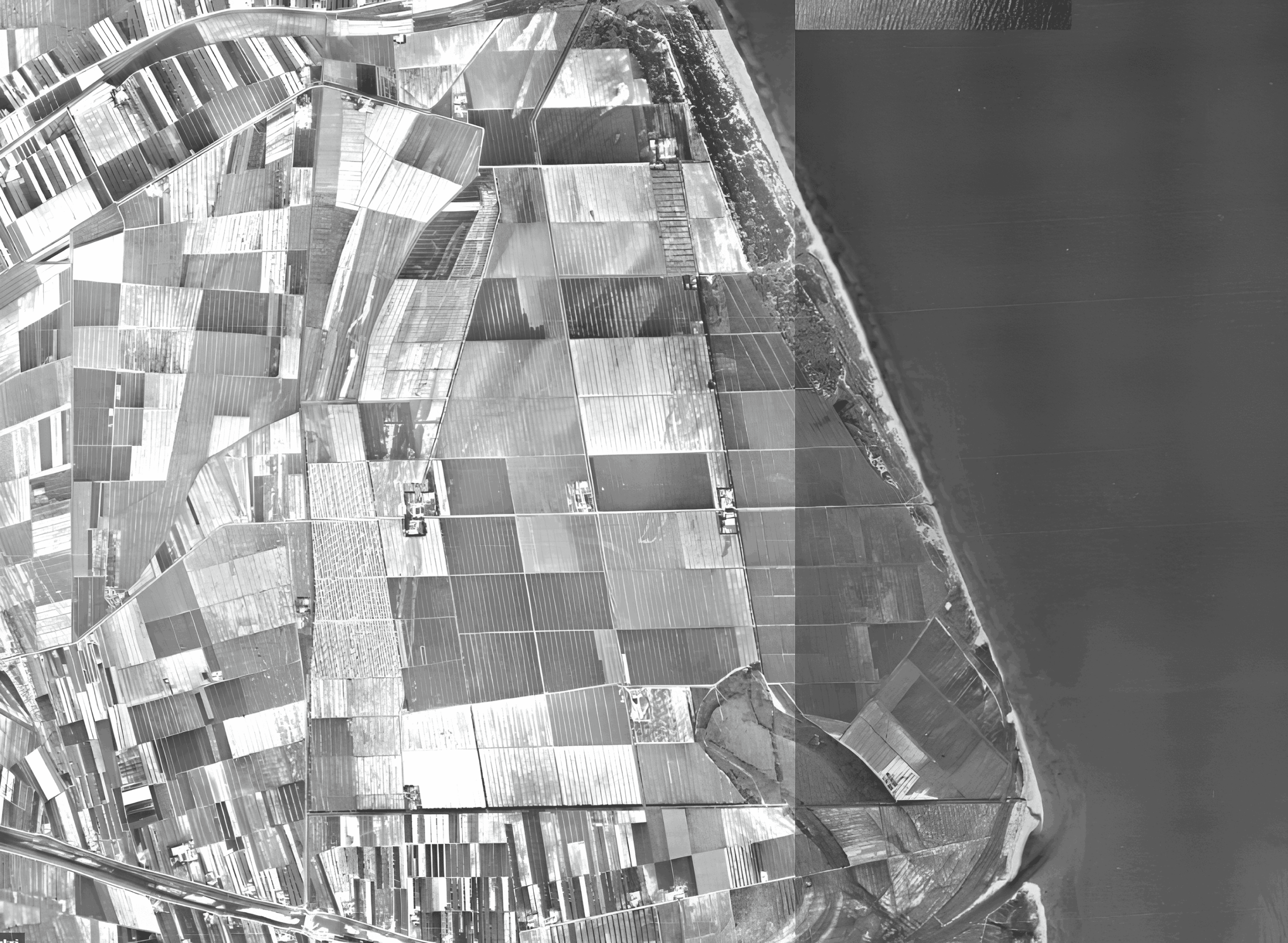
From Agricultural Land to a New Tourist Destination
At the beginning of the 1960s, Italy was undergoing a period of major transformation.
The economic boom had changed the way Italians lived, and seaside tourism was becoming an increasingly important phenomenon.
The Romagna Riviera was beginning to establish itself as one of Europe’s most dynamic tourist destinations, thanks to its ability to combine hospitality, services and innovation.
It was in this context that the idea emerged of transforming a vast agricultural area along the Ravenna coastline into a new, modern seaside resort, designed to welcome both residents and holidaymakers.
The future of this land, which for centuries had been devoted to farming and rice cultivation, was about to change forever.

Count Augusto Chiericati and the Vision of a New Town
The project for Lido Adriano originated with the initiative of Count Augusto Chiericati (1900–1977), an entrepreneur from Vicenza, who recognised the tourism potential of the Ravenna coastline in the early 1960s and promoted the creation of an entirely new seaside resort, built from the ground up.
In 1961, he reached an agreement with the Federation of Cooperatives of the Province of Ravenna to acquire a vast coastal area. The final purchase of approximately 332 hectares of land was completed in 1964, laying the foundations for one of the most significant urban development projects on the Romagna Riviera.
More than a simple real estate venture, Chiericati’s ambition was to create a modern town, planned as a whole, capable of combining tourism, services and a high quality of urban life.
Choosing the Location and Preliminary Studies
The creation of Lido Adriano was no coincidence.
Before making the final decision, several possible locations were considered, until the Ravenna coastline was identified as the ideal setting for the new seaside resort.
The assessment took several factors into account:
- Geographical location;
- Potential for urban development;
- Connections to the road network;
- Environmental characteristics;
- Availability of large areas of undeveloped land.
The Ravenna coastline proved particularly suitable thanks to its extensive agricultural land, its proximity to a city rich in history and culture such as Ravenna, and the value of its natural surroundings, characterised by pine forests and the Adriatic coastline.
These features made it possible to design an entirely new seaside resort, free from the constraints of an existing urban settlement.
Behind this vision were people capable of looking to the future. The main driving force was Augusto Chiericati (1900–1977), an entrepreneur from Vicenza who worked in the energy sector. In the early 1960s, he recognised the enormous tourism potential of the Ravenna coastline and acquired approximately 332 hectares of land between Punta Marina and the mouth of the Fiumi Uniti rivers. At the time, the area was still occupied by cultivated fields and belonged to the Federation of Cooperatives of Ravenna.
He was the driving force behind the initiative that would lead to the creation of Lido Adriano.
To turn this vision into reality, Augusto Chiericati entrusted the project to architect and urban planner Ludovico Quaroni, who was commissioned to design the new seaside town.
A fundamental contribution also came from the Cooperativa Muratori e Cementisti (CMC) of Ravenna, which carried out much of the construction work and infrastructure development, from hotels and technical facilities to the iconic Residence Adriatico.
Alongside Augusto Chiericati, his daughter Anna Maria Chiericati also closely followed the progress of the works, contributing to the development of the project in its subsequent stages.
Thanks to the vision of these key figures, an area that had previously been predominantly agricultural was transformed within a few years into the new urban settlement of Lido Adriano, one of the main seaside resorts along the Ravenna coastline.
Ludovico Quaroni and the Urban Development Plan
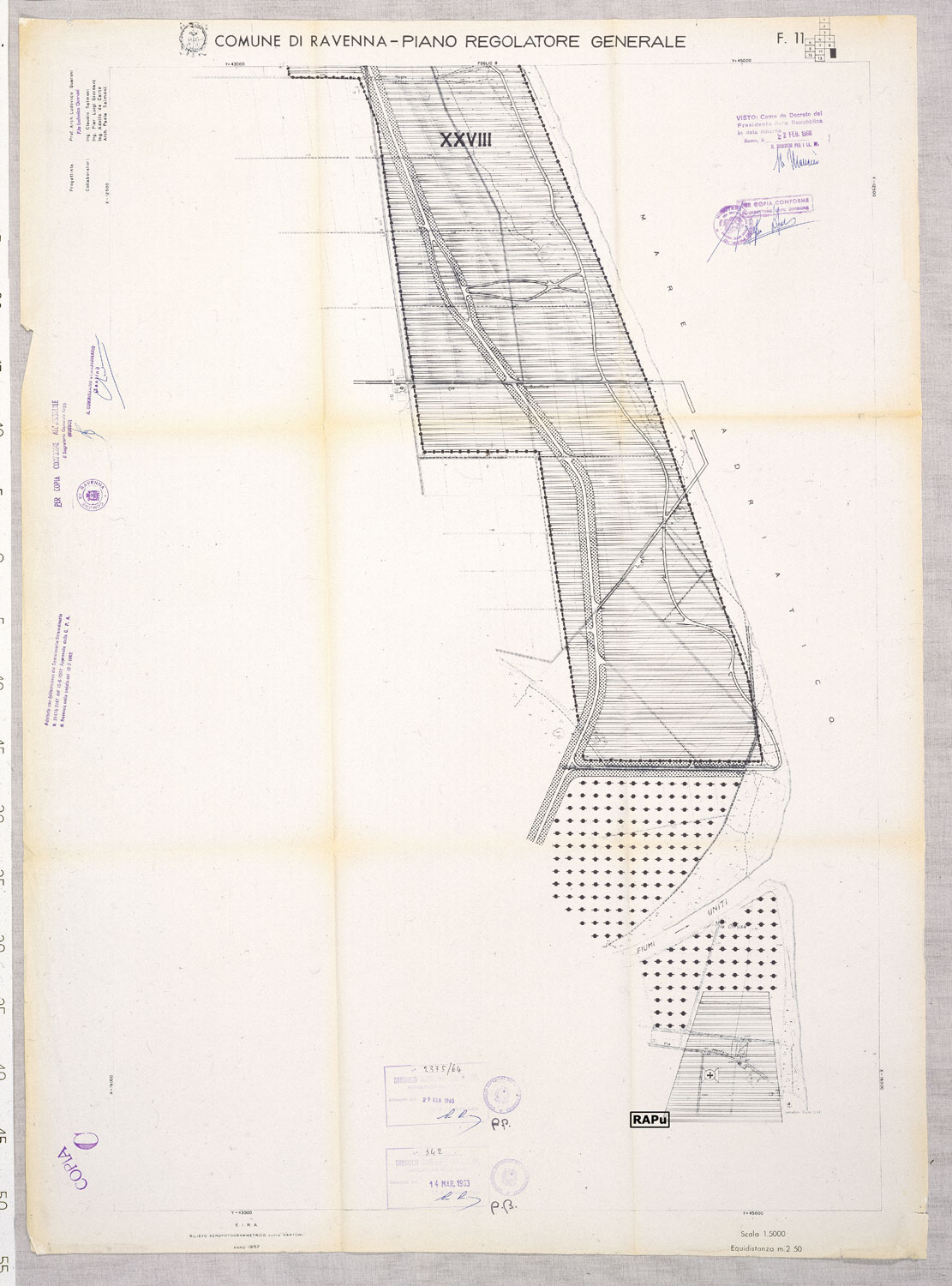
To bring Augusto Chiericati’s vision to life, the urban planning project was entrusted to architect Ludovico Quaroni, one of the leading figures in 20th-century Italian urban planning.
The master plan, submitted to Ravenna City Council in 1962 and approved on 19 June 1964, envisaged much more than the construction of tourist accommodation. It called for the creation of a fully planned seaside town, designed to function throughout the year and not just during the summer season.
The approval of the plan marked the decisive step towards the actual creation of Lido Adriano.
Lido Adriano was one of the few examples in Italy of a seaside resort planned as a whole before construction began, following a comprehensive vision for the area rather than developing through the gradual expansion of an existing settlement.
The project was based on a modern approach to urban living, in which buildings were designed to interact with the natural environment and with spaces dedicated to community life. The carefully organised layout offered an alternative to the spontaneous growth that had characterised many other Italian coastal resorts.
The master plan included:
- Extensive green spaces, considered an essential part of urban quality;
- Public services to support the everyday needs of the community;
- Tourist accommodation facilities;
- Shared spaces designed to encourage social interaction and community life;
- A functional road network connecting the different areas of the new town.
Quaroni’s vision anticipated several principles that would later become central to contemporary urban planning: the relationship between buildings and nature, the importance of public spaces, and the need to create places designed for people, not just for tourism.
From that moment onwards, the vision on paper began to take shape: a new seaside town was emerging along the Ravenna coastline, designed according to a modern vision and destined to become one of the main tourist destinations on the Romagna Riviera.
Choosing the Name
The name of the new seaside resort was also chosen with great care, with the aim of establishing a strong connection with the history and culture of the Ravenna area.
According to local tradition, the name Lido Adriano was suggested by Don Giovanni Mesini, a priest, scholar of Ravenna’s history and expert on the works of Dante Alighieri.
The inspiration came from one of the most significant tercets in Canto XXI of the Paradiso in Dante’s Divine Comedy (verses 121–123). Dante wrote this canto during his stay in Ravenna around 1320, and it refers to the figure of Saint Peter Damian:
“In that place I was Peter Damian, and Peter the Sinner I was in the house of Our Lady on the Adriatic shore.”
The expression “lito adriano” refers to the Adriatic coastline near Ravenna and evokes the Church of Santa Maria in Porto Fuori, a place deeply connected with the city’s religious and cultural history.
Dante’s verse therefore represented a meeting point between the new tourist settlement and Ravenna’s deeper identity: a city with a history spanning thousands of years, closely linked to spirituality, art and the legacy of Dante Alighieri, who spent the final years of his life here.
The choice of name was therefore more than a simple geographical reference: it was a tribute to the history and culture of the local area.
From its very beginnings, Lido Adriano was intended to combine the future of a modern seaside resort with the deep-rooted heritage of Ravenna’s traditions.
Did You Know?
The name Lido Adriano brings together two symbolic elements connected with the history and identity of the new seaside resort.
Lido refers to its origins as a seaside destination overlooking the Adriatic Sea.
Adriano evokes its geographical connection with the Adriatic and, according to local tradition, its links with Ravenna’s cultural heritage and the world of Dante Alighieri.

The First Construction Sites and the Transformation of the Area
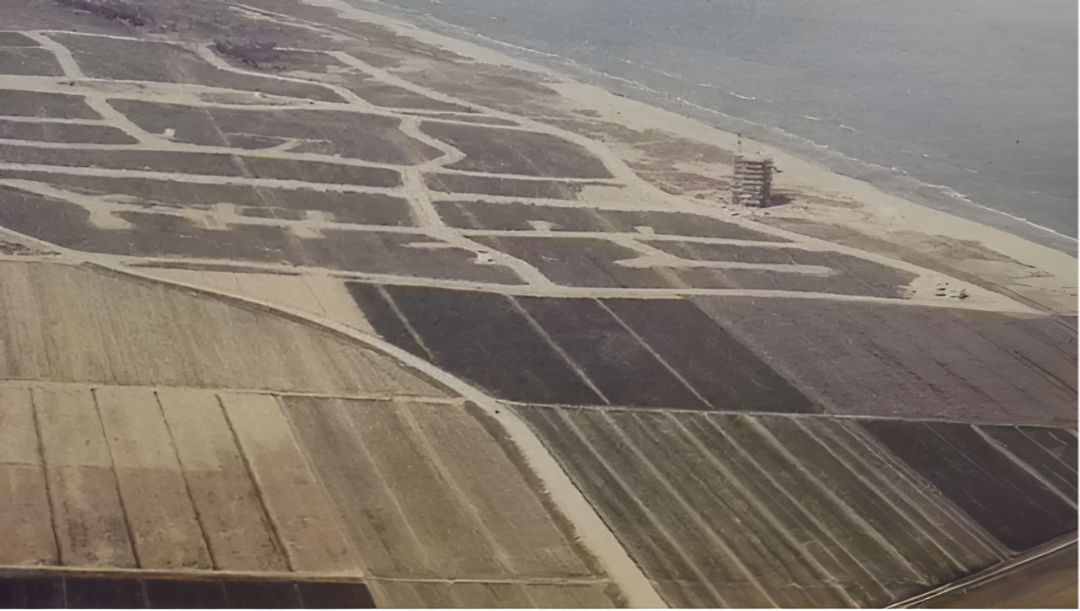
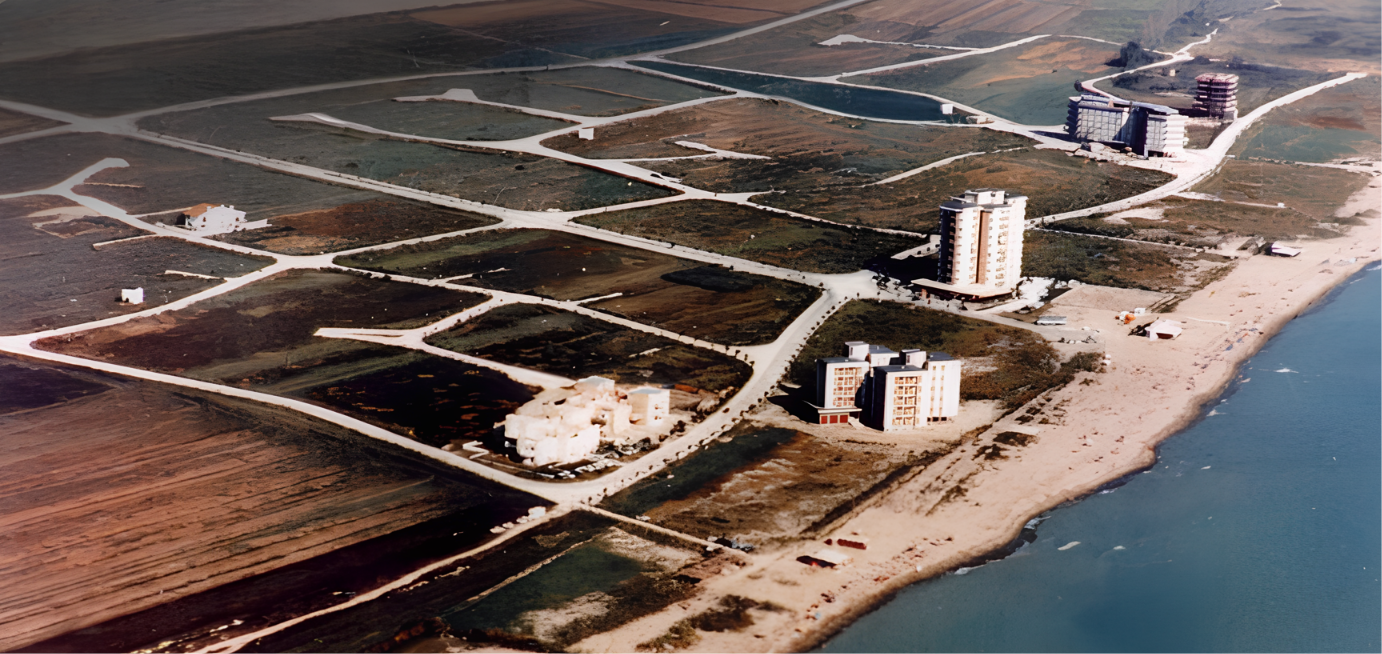
Before the new town could be built, the land first had to be prepared, as it was still strongly connected to its agricultural past.
Major ground preparation works were carried out, including the filling and levelling of land to make the new areas suitable for construction.
A fundamental role was played by the Cooperativa Muratori e Cementisti of Ravenna (CMC), which was responsible for the development of the new urban infrastructure, including:
- Roads;
- Utility networks;
- Public services;
- Infrastructure.
The countryside was gradually giving way to the new seaside town.
The First Landmarks of the New Seaside Resort
One of the first developments to characterise the growth of Lido Adriano was the Residence Adriatico, one of the landmark buildings of its early development.
During the same period, ambitious architectural ideas also emerged, including the Ara – Ala di Berardi project, a large monumental structure conceived as a potential symbol of the new seaside resort.
Although the project was never realised, it remains a testament to the great expectations and ambitions that accompanied the birth of Lido Adriano.
A New Chapter Was Beginning
Within just a few years, an agricultural area overlooking the sea had been transformed into an entirely new urban settlement.
The creation of Lido Adriano represented one of the most interesting examples of tourism development on the Romagna Riviera: a project born from the meeting of entrepreneurship, urban planning and a vision of the future.
But the story does not end here.
After its creation came a period of rapid growth: hotels, holiday residences, businesses and thousands of visitors all contributed to shaping the identity of the seaside resort.